
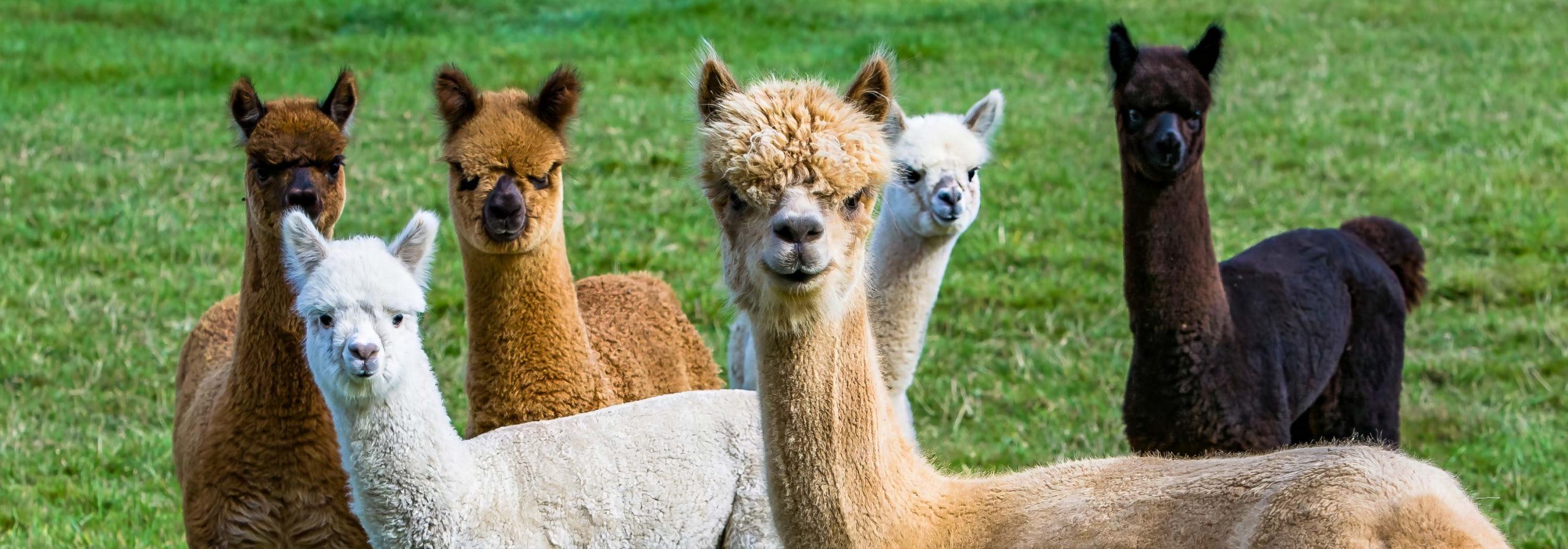
Producing high quality alpaca fleece begins on the farm. Fibre quality is influenced by genetics, nutrition, animal health and management practices throughout the year.
By focusing on these key areas, alpaca producers can improve fleece consistency, reduce contamination and maximise the value of fibre supplied to the market.
Waratah Alpaca Fibre works with growers to support better fleece preparation and help producers achieve stronger commercial outcomes from their fibre.
1. Focus on Genetics
The foundation of quality fleece begins with breeding decisions.
Selecting alpacas with desirable fibre characteristics can significantly improve the quality of fleece produced across a herd over time.
Important traits to consider include:
- Finer micron fibre
- Uniform fleece across the body
- Good staple length
- Dense, well-structured fleece
Consistent breeding decisions help improve overall herd fibre quality year after year.
2. Maintain Good Nutrition
Nutrition plays a critical role in fibre growth and strength. Alpacas require balanced nutrition to produce consistent, healthy fleece.
Providing access to quality pasture, clean water and appropriate mineral supplementation can help support strong fibre development.
Poor nutrition can lead to weaker fibre, breaks in the staple and reduced fleece value.
3. Manage Animal Health
Healthy alpacas produce better fibre. Regular health checks, parasite management and veterinary care all contribute to maintaining strong fleece growth.
Stress, illness or poor body condition can negatively affect fibre quality and consistency.
Maintaining a healthy herd helps ensure fleece remains strong and uniform.
4. Reduce Contamination
Fleece contamination can reduce fibre value and increase processing challenges.
Common contaminants include:
- Dust and dirt
- Vegetable matter such as burrs or seeds
- Straw or bedding material
Managing paddock conditions and keeping animals clean prior to shearing can help minimise contamination.
5. Shearing and Fleece Handling
Proper shearing practices are essential to maintaining fleece quality.
Important considerations include:
- Shearing alpacas in dry conditions
- Keeping fleece off the ground
- Separating prime fleece from neck and belly fibre
- Avoiding second cuts during shearing
Handling fleece carefully during and after shearing helps preserve fibre integrity.
6. Prepare Fleece for Market
Well prepared fleece is easier to class and process.
Before delivery to Waratah, fleece should be:
- Skirted to remove coarse fibres and contamination
- Kept clean and dry
- Stored in appropriate bags
Proper preparation helps ensure fleece can be classed into suitable micron and colour lines and marketed effectively to buyers.
Supporting Growers
Waratah Alpaca Fibre works with growers to improve fleece preparation standards and support better market outcomes for alpaca fibre.
Members of the co-operative can also access practical advice and support to help improve fleece quality and farm management practices.
By focusing on fleece quality at the farm level, producers can strengthen the value of their fibre and contribute to the long-term growth of the Australian alpaca industry.