
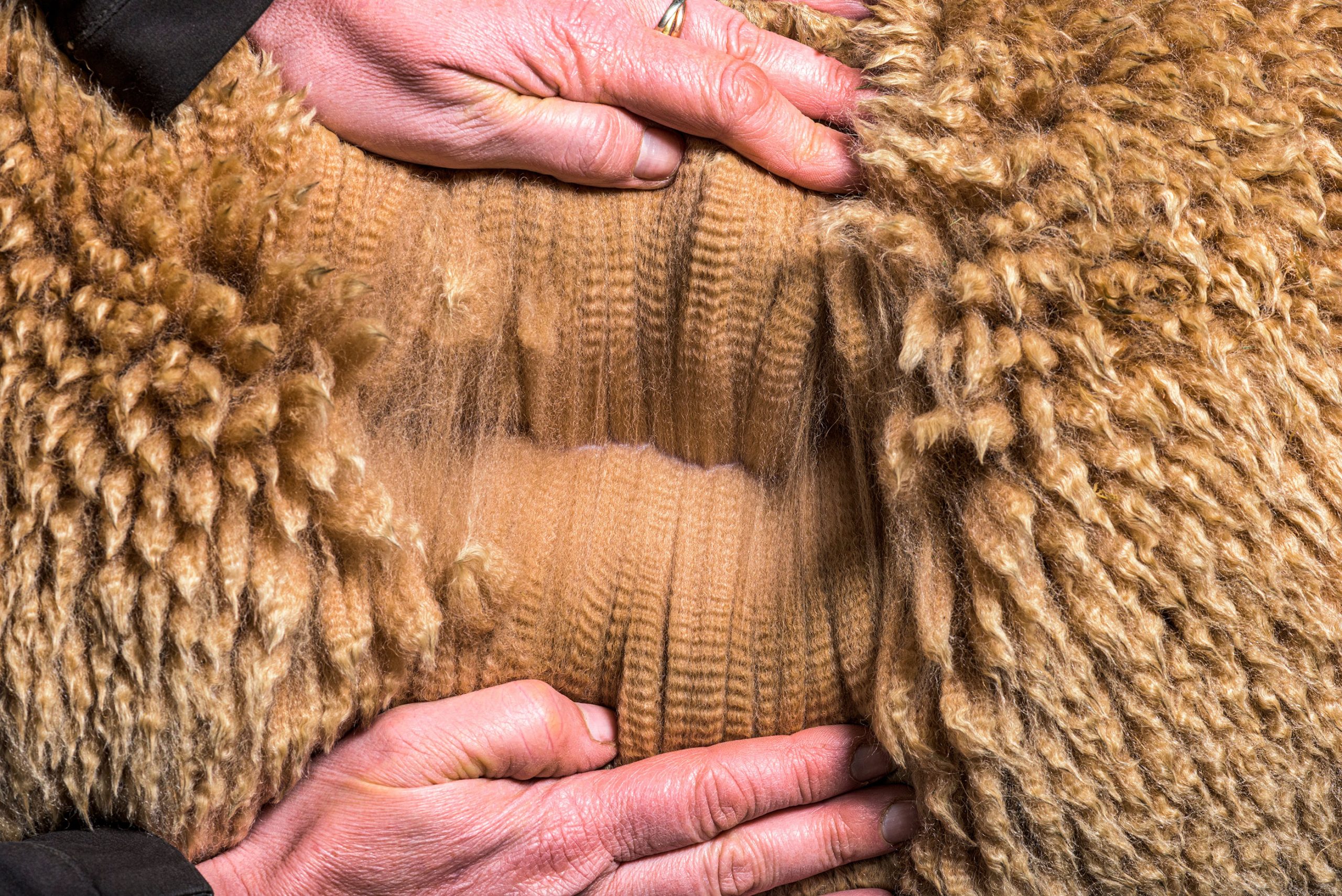
Proper fleece preparation plays an important role in maintaining fibre quality and achieving the best possible return for your alpaca fleece. Well-prepared fleece is easier to class, handle and process, helping ensure it can be efficiently sorted into appropriate micron and colour lines.
Waratah Alpaca Fibre works with growers to ensure fleece supplied through the co-operative meets recognised industry preparation standards and can be professionally classed and marketed to buyers.
Taking the time to properly prepare your fleece before delivery will help maximise its value.
1. Shear Clean and Dry Alpacas
Fleece quality begins before shearing. Alpacas should be clean, dry and free from excessive dust, vegetable matter and contamination prior to shearing.
Where possible:
- Avoid shearing during wet conditions
- Ensure alpacas are dry before shearing
- Minimise exposure to muddy or dusty environments beforehand
Clean fleece reduces contamination and helps maintain fibre quality.
2. Keep Fleece Separate During Shearing
During shearing, it is important to separate the main saddle fleece from lower quality areas of the animal.
Typically fleece is separated into:
- Prime fleece (saddle area)
- Neck fleece
- Pieces (belly, legs and shorter fibre)
Separating fleece at the time of shearing helps maintain fibre consistency and improves the classing process.
3. Skirt the Fleece
Skirting involves removing undesirable material from the fleece after shearing.
This may include:
- Coarse guard hairs
- Vegetable matter
- Short or second cuts
- Excess dust or contamination
Removing these elements improves the overall presentation and quality of the fleece.
If fleece requires significant additional skirting on arrival, it may result in additional handling costs or a downgrade in fibre value.
4. Keep Fleece Clean and Dry
Once skirted, fleece should be stored in a clean, dry environment prior to delivery.
To protect fibre quality:
- Avoid storing fleece directly on the ground
- Keep fleece away from moisture
- Store in breathable bags where possible
Moisture, dust or contamination during storage can reduce the value of the fibre.
5. Prepare for Delivery
Waratah periodically calls for fleece deliveries based on current market demand and fibre requirements.
Growers should contact Waratah or respond to delivery notifications to confirm:
- Current fleece requirements
- Delivery dates
- Appointment times for fleece drop-off
Fleece deliveries are typically made to the Waratah site near Goulburn, or other arrangements may be provided depending on supply volumes.
6. Professional Classing
Once received, fleece supplied through Waratah is sorted and classed using recognised industry standards.
Fleece is prepared in accordance with:
- Australian Alpaca Association fleece preparation guidelines
- Professional AWEX classing standards
Fibre is then organised into micron and colour lines to support efficient processing and marketing.
Need Assistance?
If you are unsure how to prepare your fleece or would like guidance before delivery, Waratah is happy to assist.
Members of the co-operative can also access additional support and advice to help improve fleece quality and preparation for market.
For further information or to discuss upcoming fleece deliveries, please contact Waratah Alpaca Fibre.